What Should a Long Driveway Gate System Include Besides the Gate?
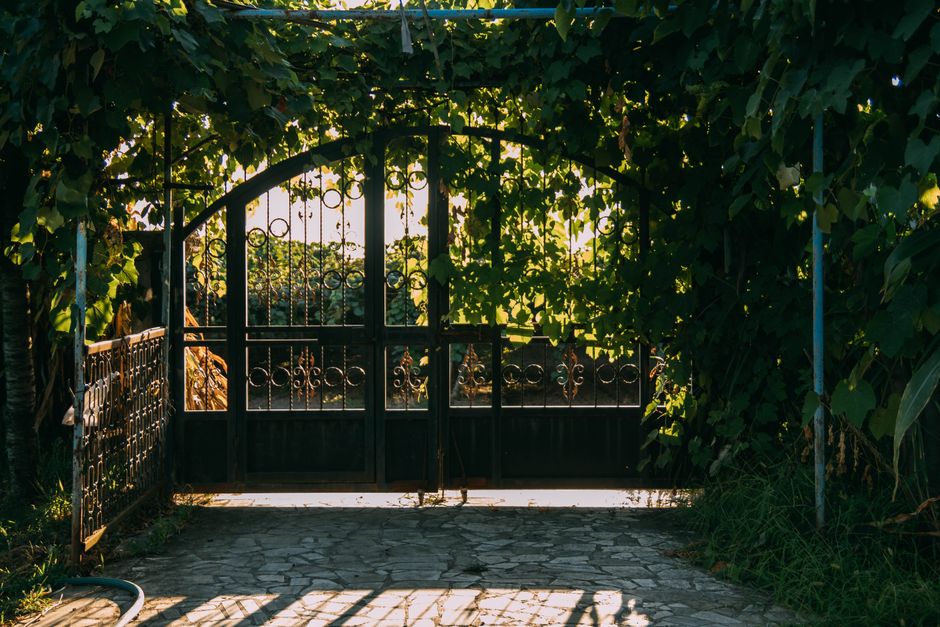
A gate at the end of a long driveway should include a reliable way to call the house, a way to let invited people in, protected power, lighting, and a spot for the mail. The gate itself is only the visible part, and the supporting pieces decide whether the entrance is pleasant to use every day or a constant nuisance.
Why the Extras Matter More on a Long Drive
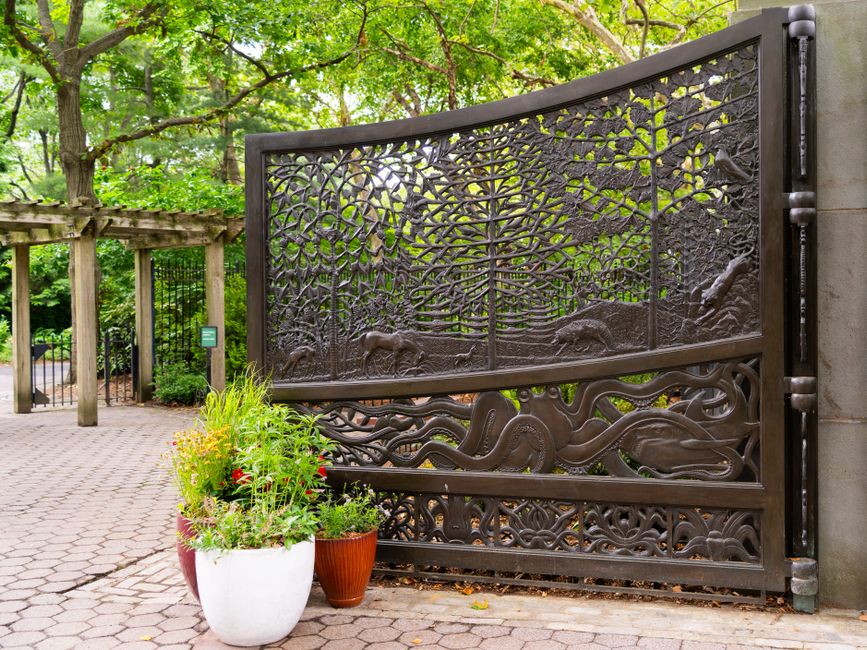
A long driveway puts distance between the gate and the house, and that distance changes every decision. A visitor cannot be seen from a window, a voice cannot carry, and a wire that would be a short hop on a suburban lot becomes a long, buried run.
On acreage near Leander or out toward the hills west of Brushy Creek Lake Park, the gate may sit a long way from the front door. That is why the supporting pieces are planned together with the gate and not added one by one afterward.
The Intercom

An intercom is the first piece most owners want, and the first one that causes trouble when it is chosen carelessly. It lets a visitor speak to someone at the house, and the person inside can then open the gate without walking to the entrance.
Several things decide whether it works well on a big property:
- Distance from the gate to the receiving station, which affects the type of wiring or wireless link.
- Whether the station sits in a kitchen, an office, or a phone, since a station nobody hears is useless.
- How well the speaker and microphone handle wind and outdoor noise.
- Whether the unit is rated for long, hot summers and the occasional hard freeze.
A wired intercom is generally steadier over long distances, while a wireless link is simpler to install but can drop out when trees, hills, or weather get in the way. Ask the installer which one suits the terrain.
Keypads, Remotes, and Other Ways In
An intercom handles visitors, but the household needs quicker ways through. Common choices include keypads, key fobs, vehicle remotes, and phone-based controls.
A keypad needs to sit where a driver can reach it from a car window, which usually means a pedestal at the right height and distance from the gate. Placed too close, it forces the vehicle to stop in the gate's swing path. Placed too far, it forces a stretch that drivers find awkward.
Remotes are convenient but easy to lose, so it helps to keep the control board able to forget a lost remote. A system that cannot remove a single lost remote leaves the whole entrance dependent on it.
Power for the Gate and Its Accessories
Everything at the entrance runs on power, and a long drive makes that the most expensive and most important decision. There are two main paths: a buried line from the house, or a solar setup at the gate.
A buried line gives steady power but needs a trench, conduit sized for the wire, and care in crossing areas with irrigation or other lines. The trench should be marked and checked before digging starts.
Solar works well on sunny open ground, and Texas Hill Country lots usually get plenty of sun. It still needs a panel facing the right direction with no shade, a battery sized for several cloudy days, and a plan for hot weather, since batteries wear faster when they bake.
Either way, a backup battery keeps the gate working through a power outage. Without it, a storm that knocks out power also leaves the gate stuck.
Lighting at the Entrance
Lighting makes an entrance safer and easier to use after dark. It also shows off the gate, columns, and landscaping when guests arrive in the evening.
Good entrance lighting is placed to light the keypad and the gate path without shining into a driver's eyes. Low voltage fixtures on the columns or along the fence line are easier to hide and cheaper to run than large floodlights.
- Light the keypad or intercom so a visitor can read it at night.
- Aim fixtures down so they do not glare into approaching cars.
- Use fixtures rated for heat and moisture, and place the wiring in conduit.
- Add a photocell or timer so the lights run without anyone remembering them.
Lighting also draws on the same power run as the gate, so it should be counted when the wire and the battery are sized.
The Mailbox
A mailbox at a gated entrance raises a practical question, which is whether the carrier can reach it from the road without entering. The box usually sits outside the gate on its own post or built into a column, so mail arrives even when the gate is closed.
A mailbox built into a masonry column should be sized for the largest packages and have a way for the owner to reach it from inside the gate if desired. Matching the box to the style of the columns keeps the entrance looking planned and not improvised.
The mailbox post should have its own footing and should not lean on the gate post. Movement in one should not pull the other out of line.
Safety Devices That Belong in Every System
An automatic gate is a heavy moving object, and safety devices are not optional. The basic set includes sensors that detect a person or vehicle in the path and edges that stop the leaf on contact.
Photo eyes are placed so they cover the path of the gate in both directions. Contact edges sit along the leading edge of the leaf and stop and reverse it when pressed. A manual release lets someone move the gate by hand if power fails.
Every person in the household should know where the manual release is and how to use it. A gate that cannot be opened by hand in an emergency is a problem waiting for a bad day.
How the Pieces Fit Together
The control board is the center of the system. It receives signals from the keypad, remotes, intercom, and sensors, and it tells the operator what to do.
A good installer chooses a board with enough inputs for everything planned and a little room to grow. Adding a second keypad or a camera later is simple when the board already has a free input, and expensive when it does not.
It also helps to keep a simple wiring diagram. Years from now, whoever services the gate will be glad to know which wire runs where, and a photo of the finished panel with labels takes a minute to make.
Weather and Wear
Hot summers wear electronics, and a gate controller baking in a metal box on a sunny post can fail early. A shaded, ventilated enclosure helps, and so does mounting the board where it is not in direct afternoon sun.
Moisture is the other enemy. Condensation forms in boxes when hot days follow cold nights, and wiring connections should be sealed against it. Hail and wind rarely harm electronics directly, but they can knock a poorly mounted keypad or camera out of alignment.
Planning the Whole Entrance Once
The easiest way to get a good system is to plan everything on one drawing before work starts. Mark the gate, columns, keypad, intercom, mailbox, lights, and the wire route, and check that each piece has power and a path for its wiring.
That drawing lets the builder size the posts, place the conduit, and schedule the trench in one pass. Adding a missing conduit after the concrete has set means cutting finished work or running wire above ground, and neither looks good.
It also exposes conflicts early. A keypad that would sit in the swing path, a light that would shine into the intercom camera, or a mailbox that blocks a column footing is easy to move on paper and hard to move on site.
Maintenance Over the Years
A gate system needs regular attention. Test the safety sensors, clean the photo eye lenses, check the battery, lubricate the hinges, and listen for changes in the operator's sound.
Batteries in particular are a routine replacement item, and a gate that begins to move slowly in the morning is often telling its owner the battery is weak. Replacing it before it fails prevents a stuck gate.
Keep the manual release instructions where everyone can find them, and review them once a year. A small amount of care keeps a long driveway entrance working for decades.