Which Materials Hold Up for Estate Gates in Cedar Park Heat
Steel Is Strong but Needs a Good Finish
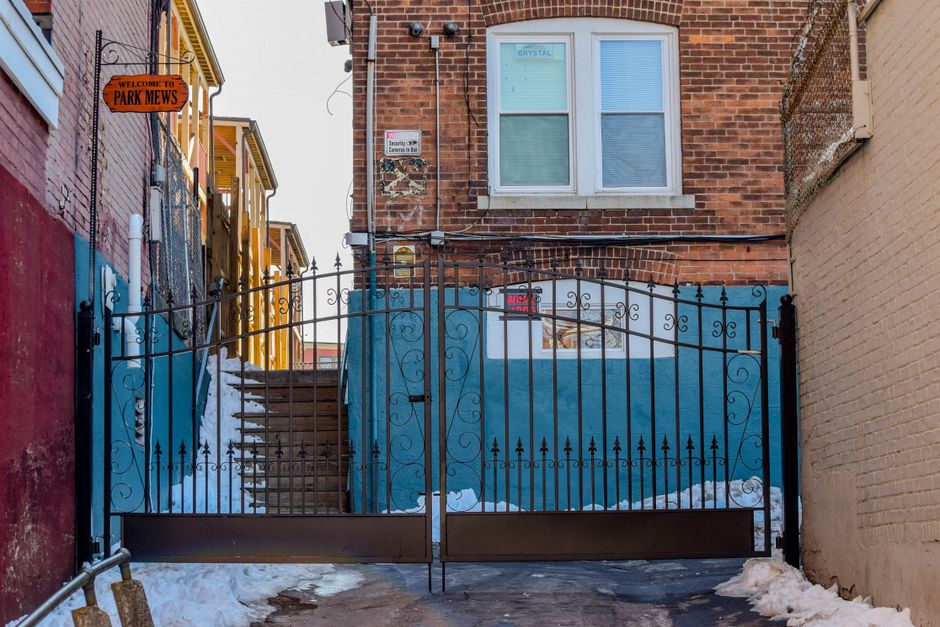
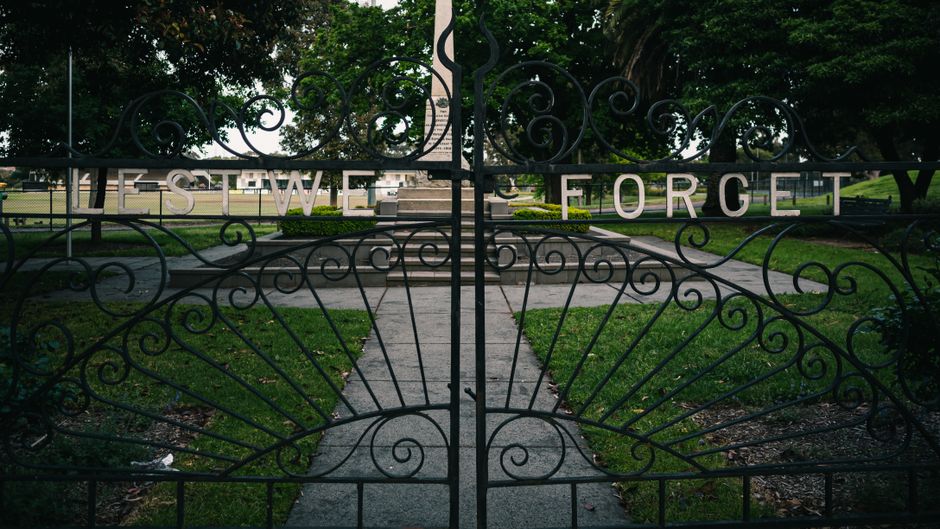
Steel is the usual choice for a heavy estate gate because it carries weight and resists bending. Bare steel rusts, so the finish does most of the protecting, and a gate is only as durable as its coating. Near Williamson County, a gate crew can use the reference at estate gates cedar park bad dog tavern for this.
The best finishes start with clean metal, ground welds, and a primer or galvanized layer before any color goes on. Paint sprayed over mill scale or rough welds lifts from the edges in a few seasons.
Aluminum Is Lighter and Does Not Rust
Aluminum does not rust, and it weighs far less than steel, which eases the load on hinges and operators. It is softer than steel, so a very wide or tall leaf needs heavier tubing to stay straight.
Hail can dent thin aluminum panels, and mixing aluminum with steel hardware can cause corrosion where the two metals touch. Builders use separators or matched fasteners to avoid that.
Wrought Iron Looks Traditional but Demands Care
True wrought iron has a hand-forged look that suits older style estates. It is heavy, and any chip in the coating lets moisture reach bare metal, so it needs regular touch-ups.
Many gates sold as wrought iron are actually mild steel shaped to look the part. The material under the finish matters more than the name on the quote.
Heat Changes the Finish Choice
Long Cedar Park summers heat dark metal well past comfortable touch, and that repeated expansion and contraction stresses coatings. Powder coating over a prepared surface handles heat better than most brushed paint, and lighter colors stay cooler than black.
- Powder coat bonds to clean metal and resists chipping better than ordinary paint.
- Lighter colors absorb less heat, which helps hinges and operator housings.
- Galvanized steel under the color adds a second layer against moisture.
- Hardware should be stainless or coated to match the gate.
Hail and Storm Damage
Hail marks soft panels first and scratches finishes on everything. Open picket designs shed hail and wind better than solid panels, and they cost less to repair after a storm because fewer surfaces take a direct hit.
After a storm, inspect the finish for chips. A small chip touched up quickly prevents rust from spreading beneath the coating.
Posts, Columns, and Hardware
The gate itself is only part of the system. Posts must be thick enough to resist twisting, and hinges should be heavy duty with bearings or bushings that tolerate dust and heat.
Stone or masonry columns look good at an estate entrance, but they are not meant to carry a swinging leaf unless a steel post is cast inside. Ask what is inside any column before a gate is hung from it.
How to Choose
For a wide, heavy entrance with strong wind, galvanized steel with a powder coat is the dependable option. For a lighter leaf where weight on the operator matters, heavy gauge aluminum works well. For a traditional look, forged or shaped iron works if the owner accepts regular finish upkeep.
Whichever material is picked, the preparation under the finish and the quality of the hardware decide how long the gate stays straight and quiet.