How to Judge the Quality of an Estate Gate Contractor's Work
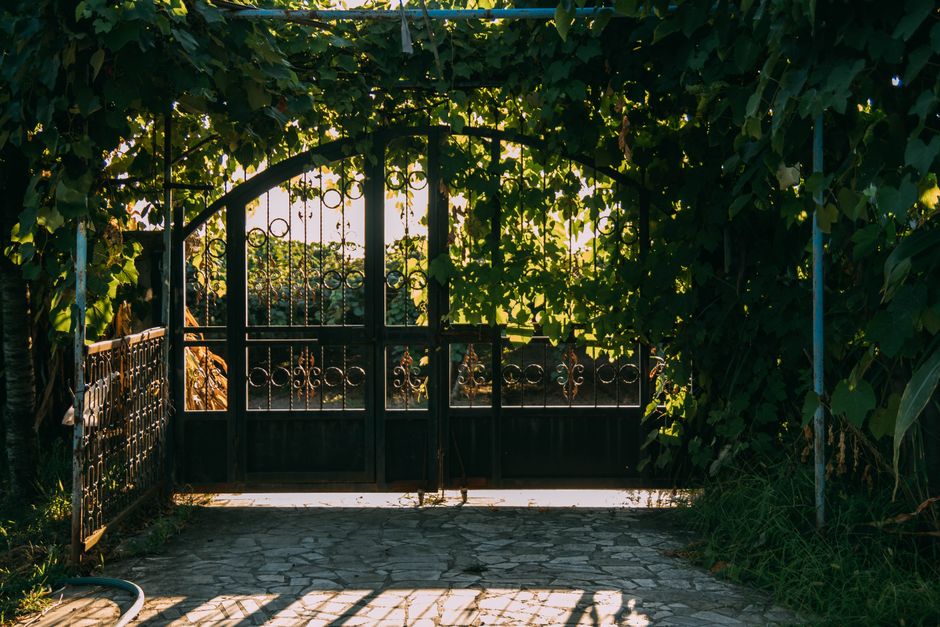
Start With the Posts
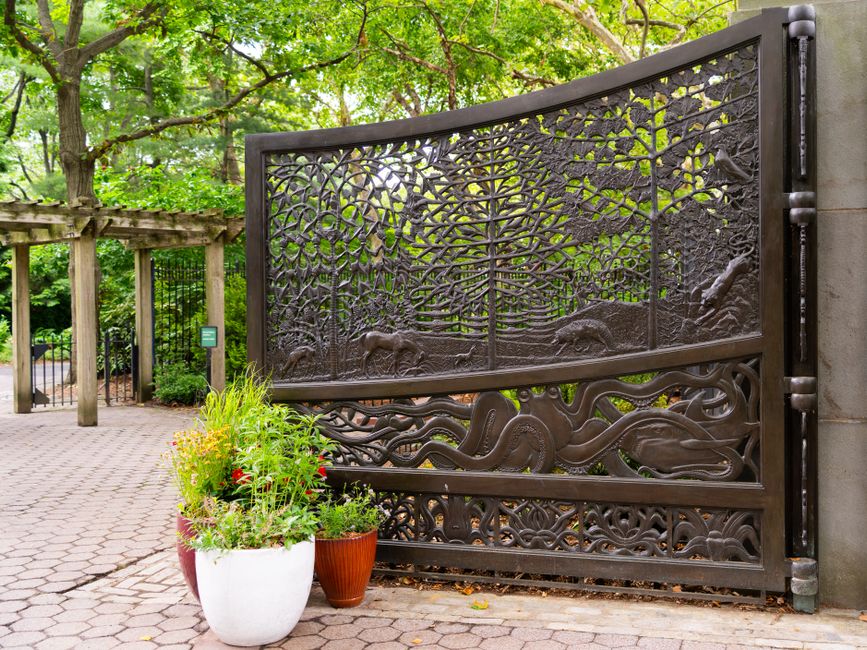
Good estate gate work starts below the gate. Posts should stand plumb, be large enough for the leaf, and sit in footings that rise above grade and shed water away from the steel. For a gate in Cedar Park, TX, the short checklist at estate gates cedar park bad dog tavern covers this question.
Ask how deep the footings go and why. A clear answer that mentions the soil on the property is a better sign than a standard number given without looking at the ground.
Look Closely at the Welds
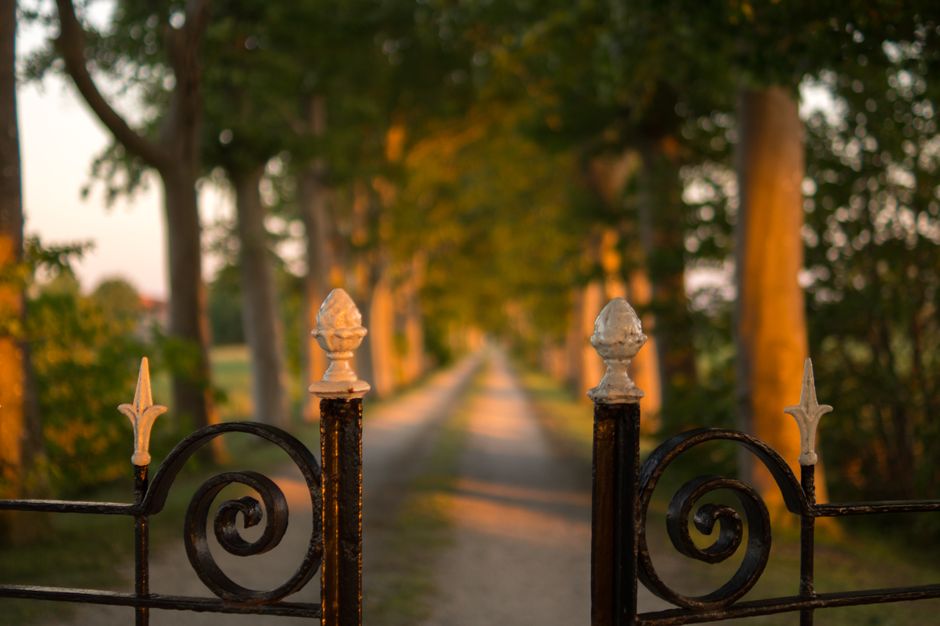
Welds should be even, fully joined, and ground smooth where coating will cover them. Pits, gaps, and sharp spatter are places where rust begins.
Run a hand along the frame corners and the base of each picket. A quality shop leaves smooth transitions.
Check the Coating Edges
A finish that looks good on the flat surfaces can still fail at the edges. Look at corners, hinge knuckles, and the bottom rail, since those are the places where thin coating, chips, and early rust show up.
- Even color without runs, thin spots, or rough texture.
- Coated bolt heads and cut edges.
- No bubbling or flaking near welds.
- Hardware that matches the finish and resists corrosion.
Watch the Gate Move
A well hung gate swings freely with even gaps along the center and the ground. Open and close it by hand with the operator released and notice whether it moves smoothly or binds.
With power on, the gate should start gently, travel at a steady pace, and stop at the same spot each time. Jerking or grinding means something is out of alignment.
Test the Safety Features
Safety devices should be demonstrated, not just mentioned. Photo eyes and contact edges should stop and reverse the leaf when something is in the way, and the manual release should be easy to find and use.
A good contractor explains how to release the gate during a power outage and makes sure the household can do it.
Controls and Entrance Details
The intercom, keypad, and remotes should respond reliably, and wiring should be hidden in conduit. Lighting, mailbox placement, and fence runs should look like part of one design and not additions made later.
Columns and fence panels that line up with the gate show that the entrance was planned as a whole.
Questions Worth Asking
A trustworthy builder answers plainly and explains reasons. Useful questions include how the design handles wind on an open lot, how the footings suit the soil, what finish is used and why, and what maintenance is recommended after installation.
Be cautious if the answers stay vague, if the builder avoids looking at the property, or if the plan hangs a heavy leaf from a thin cladding or veneer.
Judge the Whole Job
No single detail proves quality. A solid job shows in the post work, the welds, the coating, the smooth movement, and the clear explanations together, and that combination is what lets an estate gate stay straight through Texas heat, wind, and shifting ground.